

landscape mirrors
Understanding Water Gate Valve Types Water gate valves are essential components in various water management systems, serving as crucial mechanisms for controlling the flow of water. As the industry progresses, the technology and design of these valves have evolved, leading to a range of types that cater to different operational needs and environments. In this article, we will delve into the primary types of water gate valves, their applications, and their advantages. 1. Wedge Gate Valves Wedge gate valves are among the most commonly used types in water applications. They feature a wedge-shaped gate that fits snugly in the valve body when closed, ensuring a tight seal and preventing flow. The main advantage of wedge gate valves is their ability to handle high pressure and temperature, making them suitable for various environments, including water distribution systems and industrial applications. Applications Wedge gate valves are commonly found in municipal water supply systems, wastewater treatment facilities, and irrigation systems. Their robust design and reliability make them a preferred choice for infrastructure projects. 2. Parallel Slide Gate Valves Parallel slide gate valves utilize two parallel gates that move in and out of the valve body to control flow. This design ensures a minimal turbulence and allows for smoother operation, especially in larger pipelines. Unlike wedge gate valves, parallel slide valves provide a more consistent sealing surface, which can improve longevity and reduce wear. Advantages One of the key advantages is their low torque requirement for operation, which translates to reduced wear on the actuator and longer service life. They are particularly effective in applications where the flow rate must be controlled with precision. Applications These valves are often used in large-scale industrial applications, such as power plants and large water treatment facilities, where high flow rates need to be managed. 3. Butterfly Valves While not traditionally classified as gate valves, butterfly valves serve a similar purpose by regulating flow. They consist of a disc that rotates around a shaft; when the disc is parallel to the flow, the valve is open, and when it is perpendicular, the valve is closed. Butterfly valves are lightweight and compact, making them ideal for applications with space constraints. Advantages The primary benefit of butterfly valves is their ease of operation and low pressure drop, making them efficient for many flow scenarios. They can also be used for throttling flow in addition to acting as a shut-off valve. water gate valve types Applications Commonly utilized in water supply, wastewater treatment, and fire protection systems, butterfly valves are favored for their straightforward design and ease of maintenance . 4. Knife Gate Valves Knife gate valves are designed for applications that involve slurries or solids in the flow. They feature a sharpened gate that can cut through material, which makes them suitable for handling thick fluids and sludge. This type of valve is particularly valuable in wastewater treatment and mining industries. Advantages The design allows for easy clearing of material that might accumulate around the valve, reducing the risk of clogging. They are also available in manual and automated versions, providing flexibility in operation. Applications Knife gate valves are widely used in sewage treatment plants, paper mills, and chemical processing industries. 5. Pneumatic and Electric Gate Valves Pneumatic and electric gate valves are operated using air or electric actuators, making them ideal for remote operation in applications where manual handling is impractical. These valves provide quick and reliable control over water flow, enhancing efficiency in operations. Advantages The automation of valve operation improves safety and reduces the need for human intervention, leading to more consistent performance and reduced operational costs. Applications They are frequently used in large-scale water distribution systems, where the ability to quickly control flow is critical. Conclusion The selection of the appropriate water gate valve type depends on various factors, including the specific application, pressure requirements, and environmental conditions. Understanding the different types of valves and their advantages can help ensure efficient water management and infrastructure systems. Whether deploying wedge, parallel slide, butterfly, knife gate, or automated valves, each type plays a pivotal role in the control and distribution of water resources in a safe and effective manner.
about
landscape mirrors
Understanding Plug Gauges Essential Tools for Precision Engineering In the realm of precision engineering and manufacturing, ensuring the correct dimensions of machined parts is paramount. One of the critical tools employed in this process is the plug gauge. Designed for checking the internal dimensions of holes and bores, plug gauges are integral to quality control and assurance in various industries, including automotive, aerospace, and electronics. What is a Plug Gauge? A plug gauge is a cylindrical measuring device used to verify the dimensional accuracy of holes. Typically made from high-grade steel, these gauges can be classified into two primary types Go gauges and No-Go gauges. The Go gauge is slightly smaller than the specified hole diameter, ensuring that it can fit into the hole if it is within the acceptable tolerance range. Conversely, the No-Go gauge is slightly larger, designed to ensure that if it does fit, the hole is out of specification. Types of Plug Gauges 1. Plain Plug Gauges These are the simplest form of plug gauges, used for basic inspections of hole diameters. 2. Tapered Plug Gauges These gauges have a tapering design that allows them to check not only the diameter but also the conformance of the shape and size over a distance. 3. Adjustable Plug Gauges These are used when a more precise measurement is required. They can be adjusted to different sizes, offering flexibility for various dimensions. 4. Specialty Plug Gauges Custom-made plug gauges are designed for specific applications, such as checking unique hole shapes or sizes in specialized components . Importance of Plug Gauges plug gauge The accuracy and precision of products depend significantly on the effectiveness of the measurement tools used during the manufacturing process. Plug gauges play a vital role in ensuring that parts fit together as intended, which is especially important in assemblies where multiple components are combined. If parts do not meet specified tolerances, it can lead to assembly issues, increased production costs, and even failures in the final product. Moreover, the use of plug gauges contributes significantly to the efficiency of the manufacturing process. By implementing these gauges, manufacturers can conduct quick inspections of parts, minimizing downtime and streamlining production. This efficiency is crucial in today’s fast-paced manufacturing environment, where speed and accuracy directly impact competitiveness in the market. How to Use Plug Gauges Using a plug gauge effectively requires a clear understanding of tolerances and specifications. Operators must first verify that the gauge is calibrated and in good condition. The process generally includes the following steps 1. Insert the Go Gauge The operator places the Go gauge into the hole. If it fits, it indicates that the hole is within the minimum allowable size. 2. Insert the No-Go Gauge Next, the No-Go gauge is inserted. If the No-Go gauge fits, it signals that the hole exceeds its maximum allowable size, which means it is out of tolerance. 3. Record Measurements Any discrepancies found during the measurement process should be recorded for quality assurance tests, enabling manufacturers to address issues promptly. 4. Routine Maintenance Regular calibration and maintenance of plug gauges ensure their accuracy and prolong their lifespan. Conclusion Plug gauges are indispensable tools in precision manufacturing, playing a crucial role in quality control and assurance. Their straightforward design and functionality make them reliable instruments for ensuring that parts meet specified tolerances. The use of plug gauges not only enhances the accuracy of measurements but also promotes operational efficiency in the manufacturing process. As industries continue to evolve and demand higher precision, the importance of plug gauges in maintaining quality standards will undoubtedly grow. By investing in proper usage and maintenance of these tools, manufacturers can ensure the longevity and performance of their products in a competitive marketplace.
-

High quality industrial productsagement

High quality industrial products
View Details -

Meet the diverse needs of customers

Meet the diverse needs of customers
View Details -

Strict quality control

Strict quality control
View Details -

Top raw materials

Top raw materials
View Details -

Trusted supplier

Trusted supplier
View Details
Our application

news and information
Válvula principal de agua en el hogar y su importancia para el suministro doméstico
La Importancia de la Válvula Principal de Agua en el Hogar La válvula principal de agua es un compon
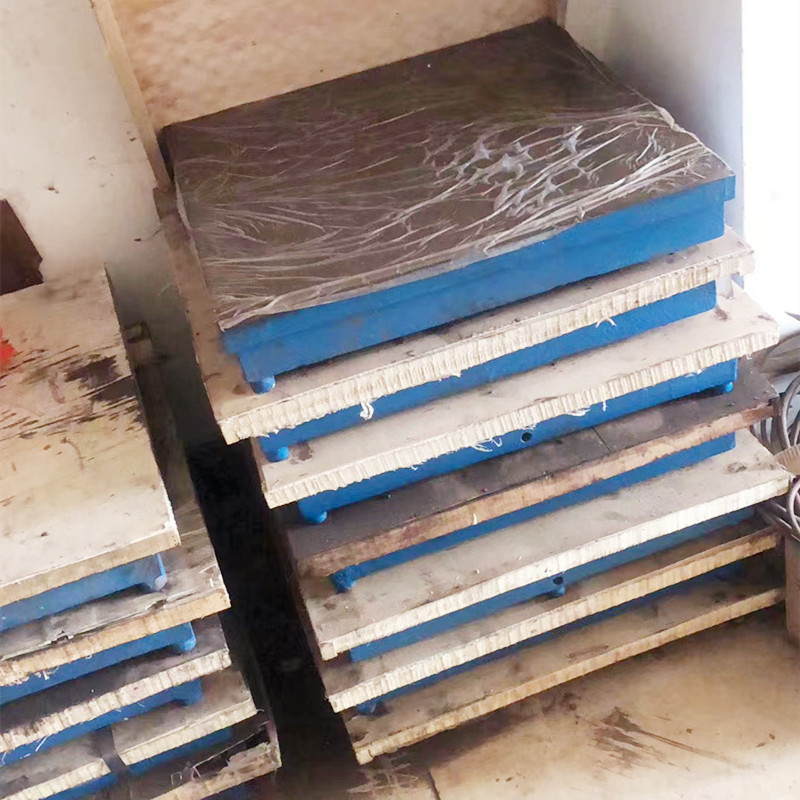
welding v block
Understanding the Role of a V-Block in Welding Welding is a critical process in various industries,
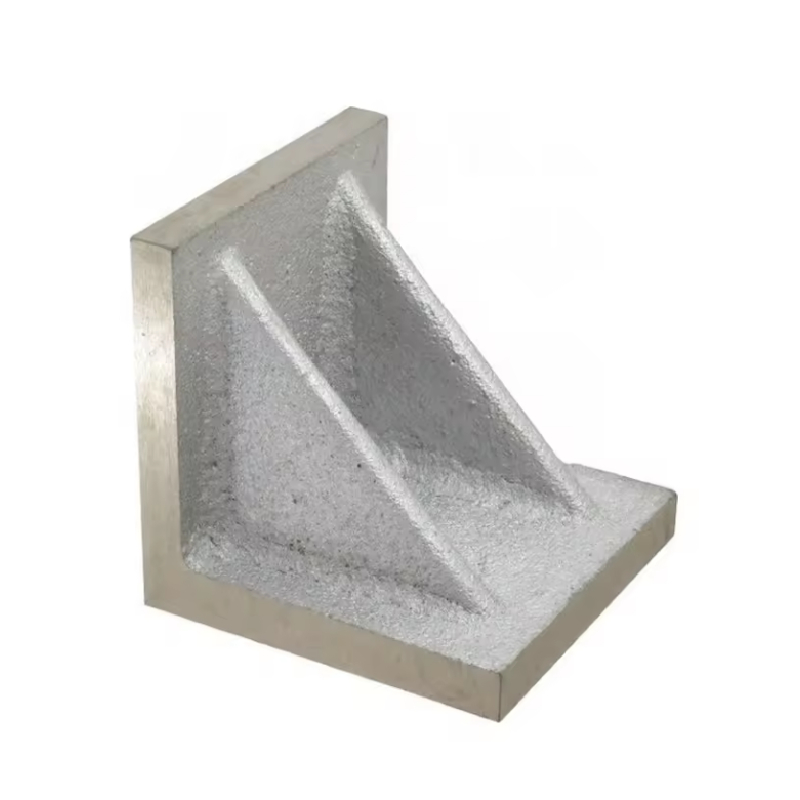
water globe valve
Understanding Water Globe Valves Design, Function, and Applications Water globe valves are essential
 English